
November 13, 2026
How Do Change Orders Work on a Pipeline Project?
What triggers a change order on a pipeline project, how pricing and schedule get adjusted, and how a clear bid package keeps changes to a minimum.
Key takeaways
- A change order is a documented adjustment to scope, price, or schedule after the contract is signed, not a sign that something went wrong.
- The most common trigger is differing site conditions: rock, groundwater, or utilities that were not in the original data.
- How a change order is priced depends on the contract structure agreed to at the start, fixed-price or cost-plus.
- A change order should be priced and approved before the work happens, not reconciled after the fact.
- A thorough bid package up front is the single best way to keep change orders rare instead of routine.
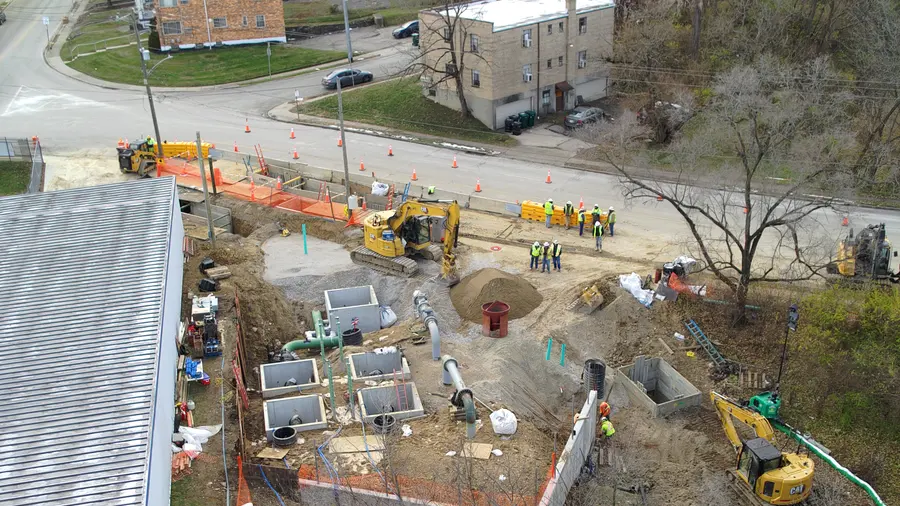
A data center developer was two weeks into civil work on a gas line tie-in when the excavator hit solid rock where the geotech report had shown ordinary soil. The crew stopped, the superintendent called the office, and the developer got a phone call using a term nobody had explained to them before signing the contract: change order. Was this a sign the contractor had made a mistake, or a sign the project was already headed for trouble? Neither. It was simply the ground telling everyone that the plan and the site did not match, and change orders are how a pipeline project handles exactly that gap.
If you are hiring a pipeline contractor for the first time, change orders are one of those terms that sound alarming until someone walks you through what they actually are. They are a normal, built-in part of how construction contracts work, not a red flag, and knowing how they function before one lands on your desk is what keeps the moment from feeling like a crisis. A lot of that risk traces back to what went into the bid package in the first place, which is worth understanding too.
What a change order actually is
A change order is a written adjustment to the original contract. It documents a change in scope, price, schedule, or some mix of the three, and it gets issued once construction is underway and the work in front of the crew no longer matches exactly what was priced before the job started. That mismatch is not unusual. A pipeline route can run for miles through ground nobody has ever opened up before, and no amount of upfront investigation closes that gap completely.
The word sounds like something has gone wrong, but a change order is closer to a receipt than a complaint. It records what changed, why it changed, and what that change costs or saves, so both sides are working from the same understanding instead of arguing about it later. A project with zero change orders over its life is rare. A project with a clear, fast process for handling them is the realistic goal, and that process matters more than trying to prevent every single one.
What actually triggers one
Most change orders trace back to a short list of causes, and almost none of them involve anyone acting in bad faith.
- Differing site conditions: rock, groundwater, unstable soil, or an unmapped utility that the original data did not show.
- Owner-directed changes: the route shifts, a tie-in point moves, or the design changes after the contract was signed.
- Permit or regulatory conditions: an agency adds a requirement, or a crossing method gets restricted, after work has already started.
- Schedule-driven changes: the owner needs a section accelerated or resequenced for reasons outside the original plan.
Differing site conditions are by far the most common of the four, because soil and rock do not reveal everything they are hiding until a trench is actually open. We have written separately about what it takes to trench through rock, and it is a good example of exactly the kind of condition that shows up different in the ground than it looked on paper, no matter how careful the geotechnical work was beforehand.
How the contract structure decides the pricing
How a change order gets priced depends heavily on the type of contract signed at the start. The two most common structures handle this differently, and knowing which one you are working under tells you what to expect when a change shows up.
Under a fixed-price contract, the original number assumes a defined scope and a defined set of conditions. When the actual conditions fall outside that scope, the change order adjusts the price to cover the difference, priced against agreed rates for labor, equipment, and material that both sides settled on before the job even started. Under a cost-plus or shared-risk structure, the contract already expects some of this variability, and the change order process is often lighter because the pricing mechanism for the unexpected is already built into the agreement. Neither structure is inherently better. The right one depends on how well-defined your scope is before you sign, and a straight contractor will tell you which one actually fits your project instead of steering you toward whichever is easier for them to manage.
How a change order affects the schedule
Price is only half the picture. A change order can also move the schedule, and on a project where the pipeline sits on the critical path, that schedule impact is often the part worth watching more closely than the dollar figure.
Some changes are quick: a known condition that the crew can price and work through in the field within a day. Others require new material, a design revision, or a permit amendment, and those can add real time to the project. This is part of why how a pipeline bid and timeline actually gets built matters so much at the start. A schedule with no slack anywhere treats every change order as a crisis. A schedule built with a realistic understanding of where surprises tend to show up treats the same change order as a manageable adjustment.
The process that should happen, in order
A change order that is handled well follows a clear sequence, and it is worth knowing what that sequence looks like so you can tell a well-run process from a sloppy one.
First, the condition or the request gets identified and documented, usually with photos or field notes that show exactly what was found or what changed. Second, the contractor prices the adjustment, scope, cost, and schedule impact, against the terms already agreed to in the contract. Third, that pricing goes to the owner for review and approval. Only after that approval should the additional work proceed as changed scope. Skipping straight to the fourth step, doing the work first and sorting out the number afterward, is how a simple field adjustment turns into a dispute. A contractor who is straight with you will stop, document, and price before moving forward, even when stopping feels like it is costing time. That brief pause is what protects both sides.
Why a strong bid package is the real defense
You cannot eliminate change orders, since some ground conditions only reveal themselves once the trench is open. What you can do is cut down how often they happen and how big they tend to be, and that starts well before construction, with what you hand a contractor at bid time.
A complete bid package gives every contractor real route and soil information, the true status of permits and easements, and every known crossing or utility conflict, instead of leaving them to guess. The fewer blanks a contractor has to fill in with assumptions, the fewer of those assumptions turn into change orders once the ground tells a different story than the paperwork did. This is also a fair thing to ask a contractor directly during the bid process: how they typically handle differing site conditions, and how fast they move a change order from discovery to a priced, approved adjustment. The answer tells you a lot about how the rest of the project will go.
On a design-build or EPC project, the relationship between design and change orders shifts somewhat, because the same contractor doing the engineering is also the one pricing and building the work. That overlap can catch some of the gaps that would otherwise surface mid-construction on a traditional bid-build project, since the design is being refined with construction already in mind. It does not make change orders disappear entirely, since ground conditions remain ground conditions no matter how the contract is structured, but it does tend to put more of the risk conversation up front, during design, instead of leaving it to surface once equipment is already mobilized.
A normal part of a real project
A change order is not a verdict on whether a project is going well. It is the mechanism that keeps the contract honest when the ground, the design, or the schedule shifts from what was assumed at the start. What matters is whether the process around it is clear: documented conditions, priced impact, approval before the work proceeds, and a contractor who explains all of it in plain terms instead of letting it feel like a surprise bill.
If you are putting together a pipeline scope and want a straight read on how we would handle the unexpected on your specific route, get in touch and tell us what you have. We will walk you through what is realistic before you are locked into a number.
Frequently asked questions
What is a change order on a pipeline project?
A change order is a written adjustment to the original contract that changes the scope, the price, the schedule, or some combination of the three. It gets issued after the contract is signed, when the work in front of the crew no longer matches what was priced at the start.
What usually causes a change order on a pipeline job?
The most common cause is a difference between the ground conditions assumed in the bid and what the crew actually finds once digging starts, things like rock, groundwater, or an unmapped utility. Owner-directed changes to the route or the design, and permit conditions that shift after the contract is signed, are the other frequent causes.
Does a change order always cost more money?
No. A change order can increase price, decrease it, or leave price the same while adjusting only the schedule or the scope. It is simply the mechanism for documenting any change from what the original contract described, in whichever direction that change runs.
Should work start before a change order is priced and approved?
No. The work that falls outside the original scope should be priced and approved first, even if that approval happens quickly in the field. Proceeding first and sorting out the number later is how a pipeline project ends up in a dispute instead of a straightforward adjustment.
How can I avoid change orders on my pipeline project?
You cannot eliminate them, since some ground conditions only reveal themselves once a trench is open. You can reduce how often they happen by giving every bidder a complete, honest bid package up front: real soil and survey data, the true status of permits and easements, and every known crossing, so the contractor is pricing your actual site instead of guessing at it.