
July 7, 2026
What Is an EPC Pipeline Contract?
EPC stands for engineering, procurement, and construction. Here is what a design-build pipeline contract actually covers, in plain terms.
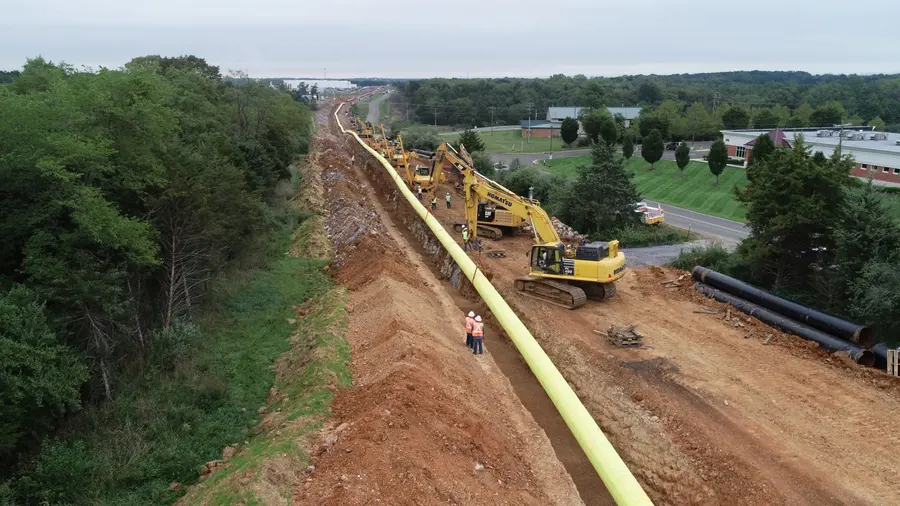
Key takeaways
- EPC stands for engineering, procurement, and construction, all handled under one contract.
- One accountable contractor replaces the juggling act of separate design, permitting, and build teams.
- It suits owners who need a pipeline but do not build pipe every day, like data center and power developers.
- Contracts can be fixed-price, cost-plus, or shared-risk depending on how defined the scope is.
- The right structure protects both sides, so ask a contractor to explain the trade-offs before you sign.
Say you are deep into planning a new data center or a power plant, the site is chosen, the schedule is taking shape, and then someone tells you the whole thing depends on a gas line that does not exist yet. Suddenly you are responsible for a piece of infrastructure you have never built and were not planning to learn. The first word people throw at you is EPC, usually without explaining it.
Here is what that term means, in plain language, and why it tends to be the right fit when you need a pipeline but building pipe is not your day job. The short version is that EPC hands the entire pipeline, from the first sketch to the final pressure test, to one accountable contractor. If you want the deeper background on how these jobs come together, our EPC and design-build overview walks through it, and you can always get in touch if you would rather just talk it out with someone.
EPC means engineering, procurement, and construction
The three letters are not complicated. Engineering is the design work: routing the line, sizing the pipe, running the calculations, and producing the drawings a crew can build from. Procurement is the buying: ordering the correct pipe, valves, fittings, and coatings, and getting them to the site on a schedule that matches the build. Construction is the part most people picture, the crews, the equipment, and the actual steel going in the ground.
An EPC contract simply puts all three under one roof. You tell the contractor what you need, a line from here to there that meets a certain capacity and a certain date, and they carry it from concept to a finished, tested system. There is no handoff gap between the people who designed it and the people who built it, because they answer to the same contract.
Permitting deserves a mention here, because it often lives quietly inside that first letter. Getting a pipeline approved can involve environmental reviews, easement and right-of-way work, crossings of roads, rail, water, and wetlands, and coordination with more than one agency. On an EPC job the contractor carries that burden alongside the design instead of leaving it for you to chase. That matters, because permitting is frequently the longest and least predictable part of a pipeline schedule, and a team that engineers with permits in mind tends to route the line in a way that avoids trouble before it starts.
How EPC differs from a traditional bid-build job
To see why owners reach for EPC, it helps to know the older model it competes with. On a traditional pipeline job, the owner gets the line engineered first, then sends that finished design out as a bid package. Contractors bid to build exactly what is drawn, nothing more. That approach is called bid-build, and it works well when you already have a complete design and a team that knows how to produce one.
The catch is that bid-build assumes you have done the engineering, or hired someone to. If you have not, you are stuck coordinating an engineering firm, a permitting effort, and a builder as three separate relationships, and hoping their assumptions line up. When they do not, the gaps become change orders and schedule slips. We break the two approaches down side by side in our post on design-build versus bid-build pipelines if you want to compare them directly.
Why one accountable contractor changes the project
The real value of EPC is not any single phase. It is having one party responsible for all of them. When the same contractor engineers, buys, and builds, there is no finger-pointing when a field condition does not match a drawing, because the people who drew it and the people hitting it work together. Problems get solved instead of assigned.
That single point of accountability also compresses the timeline. Design, procurement, and early construction can overlap rather than waiting in a strict line, because the team planning the work is the same team that will perform it. Long-lead materials get ordered while permitting is still moving, and field crews can start on the front end of the line while engineering finishes the back end. You are not stitching separate schedules together and absorbing the seams.
Why EPC fits data center and power developers
Most developers building a data center or a power plant do not have a pipeline group in-house, and there is no reason they should. Their expertise is the facility, the load, the power, and the timeline. Landing a gas line to the site is a specialized trade that they touch once, not something they do every day. Established gas operators already know which contractor to call. A first-time developer usually does not, and that is exactly the gap a design-build contractor is built to fill.
This is a growing corner of the industry as more large computing and generation projects come online with real energy needs. If your project sits in that world, our page on pipeline construction for data centers and power speaks to it directly, and the power generation industry page covers the wider category. The point is simple. You should be able to lean on a contractor who has put steel in the ground many times, so you can stay focused on the facility you actually came to build.
How these contracts get structured and priced
Design-build pipeline work can be set up a few ways, and the right one depends on how defined the scope is when you sign. The three most common structures are worth knowing before you sit down at the table.
- Fixed-price works when the job is well-defined up front and the unknowns are small.
- Cost-plus fits when there are real unknowns and you want full transparency into what things cost.
- Shared-risk terms split the surprises that come with putting steel in the ground, so neither side carries them alone.
None of these is automatically better. A fixed-price number looks clean, but if the scope is still fuzzy, that clean number is really a pile of assumptions and contingency you are paying for either way. Cost-plus feels open-ended, yet on a genuinely uncertain job it can cost less because you are not funding a padded guess. The honest answer is that the right structure protects both sides, and a contractor worth hiring will tell you which one actually fits your project instead of steering you toward whatever is easiest for them. We go deeper on this in our breakdown of fixed-price versus cost-plus pipeline contracts.
What to look for in an EPC contractor
Because you are handing over the whole scope, who you hand it to matters more than on a bid-build job. Look for a contractor that self-performs the core work rather than subcontracting the moment things get specialized. When one team handles mainline construction, horizontal directional drilling, hydrostatic testing, fabrication, meter stations and civil work, and coating in-house, quality and schedule stay under one set of hands instead of scattering across vendors.
Safety standing tells you something too. Current credentials in programs like ISNetworld, Veriforce, and OQSG signal that a contractor takes the field seriously and can pass the prequalification most owners and operators require. Capacity is worth a plain conversation as well. Ask how many spreads and crews a contractor can field and how that maps to your timeline, since a design-build promise only means something if the people exist to keep it. If you are weighing options, our list of questions to ask a pipeline contractor is a good place to start.
Where to go from here
An EPC contract is really just a way to buy certainty. Instead of assembling a design firm, a permitting effort, and a builder and hoping they align, you get one accountable partner who takes your project from a line on a map to a working, tested pipeline. For an owner whose expertise lives somewhere other than pipe, that is usually the difference between a smooth build and a stressful one.
If you have a pipeline scope on a project and you are not sure where to start, get in touch and tell us about it, even if all you have so far is a rough route and a date you need to hit. Reach out through our contact page and we will walk you through what is realistic on schedule, permits, and cost before you are locked into anything.
Frequently asked questions
What does EPC actually stand for?
EPC stands for engineering, procurement, and construction. In a pipeline setting it means one contractor designs the line, orders the pipe and materials, secures permits, and builds it. You give them the goal and they carry it from a line on a map to a finished, tested system.
How is EPC different from a bid-build pipeline job?
On a bid-build job the owner completes the engineering first, then hands a finished design to a builder who constructs exactly what is drawn. EPC bundles the design and the build together under one party. That single point of accountability is the main reason owners choose design-build.
Do I need my own engineers to sign an EPC contract?
No, and that is part of the point. An EPC contractor brings the engineering in-house or through its team, so you do not need a pipeline group of your own. Most data center and power developers use this route for exactly that reason.
How are EPC pipeline contracts priced?
Common structures are fixed-price, cost-plus, and shared-risk. Fixed-price fits a well-defined scope, cost-plus fits jobs with real unknowns and a need for transparency, and shared-risk splits the surprises that come with putting steel in the ground. A good contractor will tell you which one actually fits your project.
When should I bring in an EPC contractor?
The earlier the better, ideally while you still have questions about routing, permits, and schedule. Getting a design-build team involved before the scope is locked lets them flag cost and timing issues while you can still adjust. Waiting until everything is set can bake in problems that are expensive to unwind.